
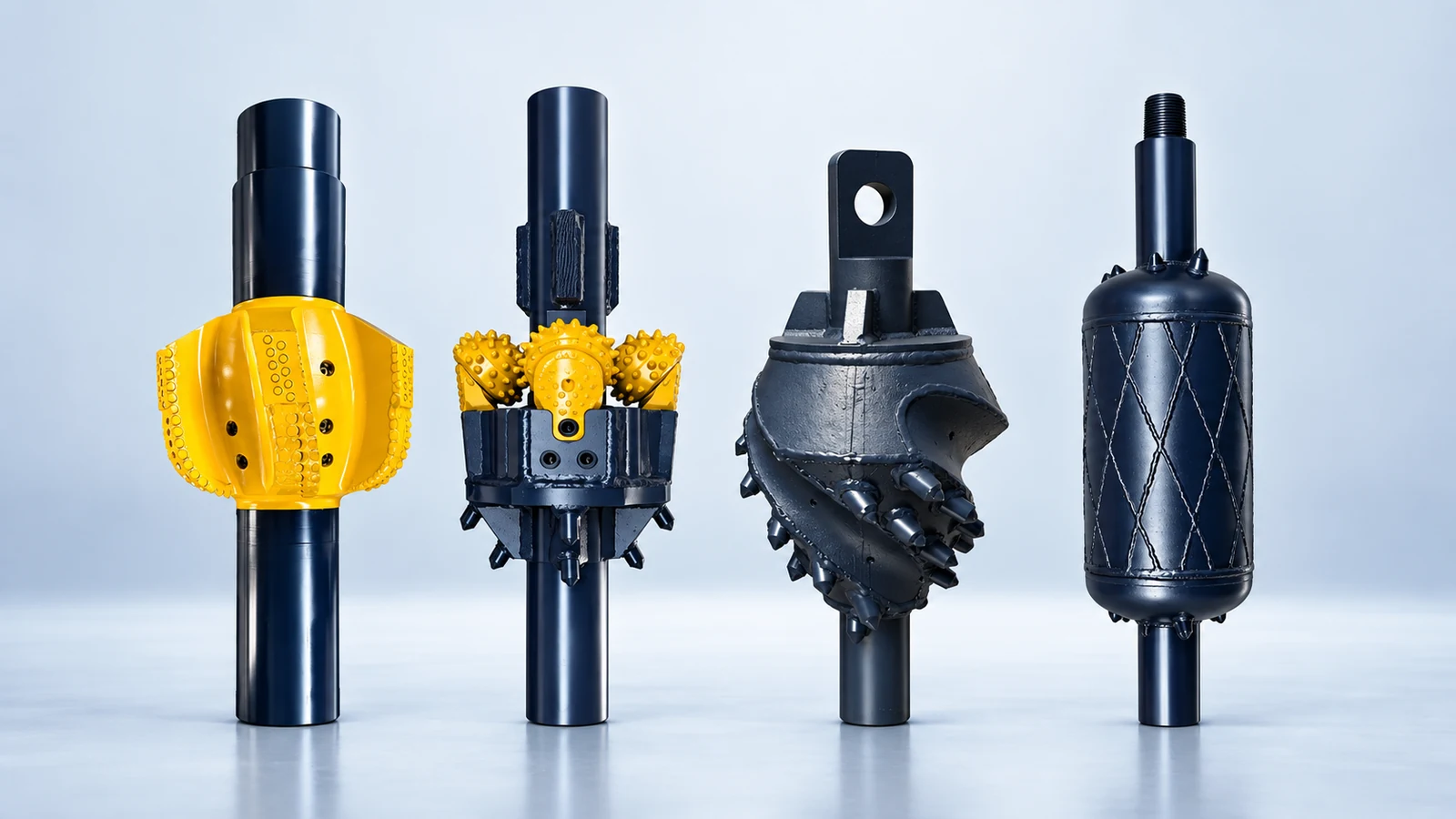
A reamer is a drilling tool used to enlarge and condition an existing hole. In horizontal directional drilling, or HDD, the reamer follows the pilot bore and opens it to the diameter required for installing a pipeline, conduit or cable.
However, enlarging the hole is only part of its job. A properly selected HDD reamer must also cut or break the formation, mix the excavated material with drilling fluid, move cuttings away from the cutting face and help maintain a stable bore path.
Because ground conditions can change significantly along one crossing, choosing the right reamer is essential for controlling torque, pullback load, drilling-fluid circulation and tool wear.
What Is Reaming in Horizontal Directional Drilling?
Reaming is the stage that enlarges the pilot bore before the product pipe is installed.
A typical HDD project includes three main stages:
- A pilot bit drills a steerable pilot bore along the planned path.
- One or more reaming passes enlarge and condition the bore.
- The product pipe is pulled through the prepared bore.
Some projects can reach the required diameter in one reaming pass. Larger bores or difficult formations may require several progressive passes. The number of passes and the diameter increase at each stage should be based on the formation, product-pipe dimensions, bore length, rig capacity and drilling-fluid program.
The correct reaming plan creates enough clearance for installation without removing more material than the drilling system can efficiently transport.
What Does an HDD Reamer Do?
An HDD reamer performs several connected functions underground.
Enlarges the pilot bore
The cutting structure removes material around the pilot hole and increases the bore diameter. The final bore must provide sufficient installation clearance for the product pipe and its connections.
Breaks or cuts the formation
Different formations require different cutting actions. Soil reamers may scrape, slice and mix cohesive ground, while rock reamers use fixed cutters or rolling cones to shear, crush or fracture competent material.
Conditions the bore
A well-matched reamer helps create a more uniform bore profile. This reduces sudden restrictions, unstable sections and excessive drag during pullback.
Supports cuttings removal
Fluid ports and open flow paths allow drilling fluid to reach the cutting area and carry loosened material away. If the reamer produces cuttings faster than the fluid system can transport them, torque and pullback pressure can rise quickly.
Helps protect the product pipe
A properly conditioned bore reduces unnecessary contact and installation stress. This is particularly important when pulling long pipe strings or products with coatings that must remain intact.
Common Types of HDD Reamers
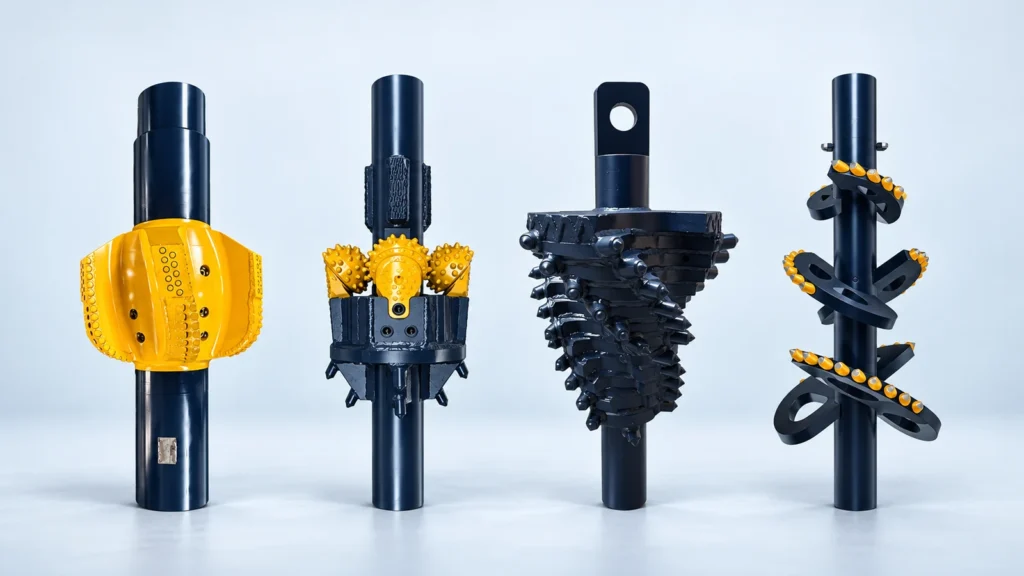
There is no universal reamer for every ground condition. The tool should be matched to the dominant formation as well as any expected transitions.
Fluted Reamer
A fluted reamer uses angled or spiral cutting sections around the body. Its open structure promotes mixing and fluid movement.
Typical applications include:
- Clay and compacted soil
- Sandy clay
- Soft mixed ground
- Projects requiring active mixing and cuttings movement
Fluted reamers are frequently used where soil must be cut and blended with drilling fluid rather than crushed.
Fly Cutter Reamer
A fly cutter reamer has an open frame with cutting arms extending from the main body. Its open design provides relatively unrestricted fluid and cuttings flow.
Typical applications include:
- Soft to firm soil
- Clay
- Sand and selected mixed formations
- Projects where an open cutting structure is preferred
The cutter arrangement and arm protection should be selected according to the formation’s abrasiveness and the required bore diameter.
Barrel Reamer
A barrel reamer has a cylindrical body that can help stabilize and smooth the bore while enlarging it.
Typical applications include:
- Clay and other cohesive soils
- Ground where bore conditioning is important
- Pullback preparation
- Projects requiring a more stable, uniform bore profile
The closed body can provide good stabilization, but the drilling-fluid system must still be capable of cleaning the bore effectively.
Multi-Stage Reamer
A multi-stage reamer incorporates several cutting diameters into one tool. Each stage progressively increases the bore size.
Typical applications include:
- Controlled enlargement in soil
- Projects seeking a gradual cutting action
- Formations where a single aggressive diameter increase may overload the rig
- Bores that benefit from stepped conditioning
A multi-stage design does not automatically eliminate the need for multiple passes. The complete bore plan still depends on the required diameter, formation and available rig power.
Paddle Reamer
Paddle reamers use several cutting wings or paddles arranged along the central body.
Typical applications include:
- Soft soil
- Sticky clay
- Loam
- Ground that benefits from active cutting and mixing
The spacing and shape of the paddles influence fluid circulation, cutting action and bore conditioning.
PDC Reamer
A PDC reamer uses fixed polycrystalline diamond compact cutters. Instead of rolling over the formation, the cutters shear material as the reamer rotates.
Typical applications include:
- Consolidated medium-hard formations
- Shale and selected sedimentary rock
- Abrasive or compact formations suited to fixed cutters
- Projects requiring stable cutting action
PDC performance depends heavily on cutter layout, blade geometry, gauge protection, hydraulic design and the actual formation. Large cobbles or severe impact conditions can damage fixed cutters if the tool is not designed for them.
TCI Hole Opener
A TCI hole opener uses rotating roller cones fitted with tungsten carbide inserts. The cones crush and fracture the formation as the tool rotates.
Typical applications include:
- Hard rock
- Fractured rock
- Abrasive formations
- Ground where rolling-cone cutting action is required
Bearing condition, cone placement, insert geometry and replaceability are important considerations. Replaceable roller assemblies can reduce service costs when the body remains suitable for continued use.
How to Choose the Right Reamer
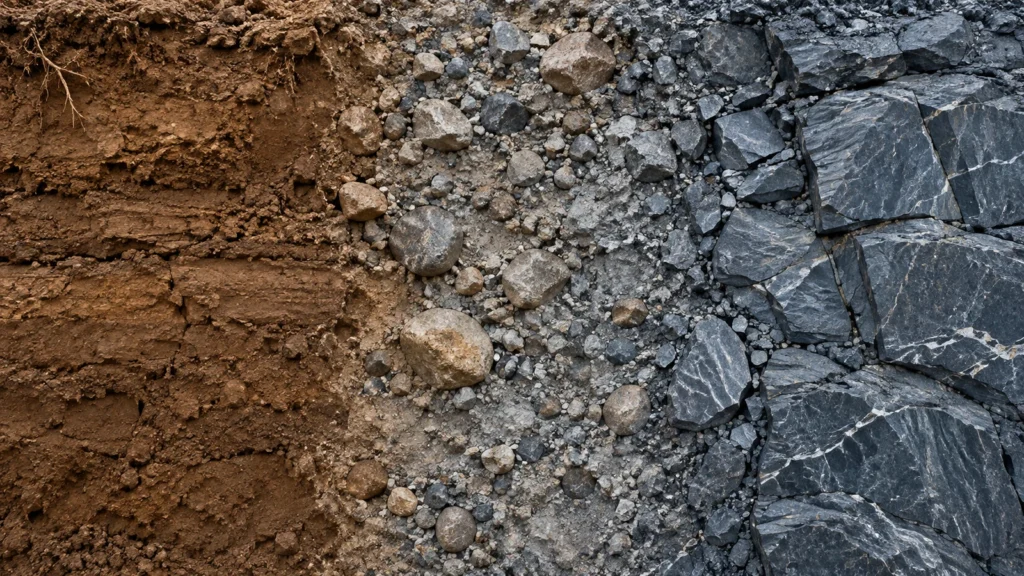
The formation name alone is not enough to select a reamer. The following information should be reviewed together.
1. Ground conditions
Start with the geotechnical report and available bore data. Identify:
- Soil and rock types
- Formation strength
- Abrasiveness
- Cobble or boulder content
- Groundwater conditions
- Transition zones
- Fractures or unstable sections
A crossing that begins in clay and enters rock may require a different tool or reaming sequence from a bore that remains in one uniform formation.
2. Pilot-bore condition
Review the pilot diameter, steering corrections, bend radius and any sections that produced unusually high drilling loads. A difficult pilot bore may indicate restrictions or transitions that also affect the reaming plan.
3. Required bore diameter
The finished bore needs enough clearance for the product pipe, joints and installation method. However, unnecessary over-enlargement increases the volume of material that must be removed and may reduce bore stability.
Confirm the product outside diameter and project requirements before defining the reaming stages.
4. Rig capacity
The reamer must operate within the HDD rig’s available torque, rotation speed and pullback capacity. Selecting a large or aggressive tool without considering the rig can cause slow rotation, excessive load or stalled reaming.
5. Drilling-fluid capacity
Pump output, fluid properties and return conditions must support the amount and type of cuttings being generated.
Check:
- Flow rate
- Fluid pressure
- Reamer fluid ports
- Cuttings size
- Annular return path
- Bore length
- Fluid-loss conditions
The cutting tool and the fluid program must function as one system.
6. Connection compatibility
Confirm the connection type, thread, shaft dimensions and orientation before production. Similar-looking connections are not always interchangeable.
The complete drill-string arrangement—including swivels, adapters, pulling eyes and other accessories—should be reviewed before the tool is ordered.
7. Maintenance strategy
Consider how wear components will be inspected, repaired or replaced. For rock applications, replaceable roller cutters may provide an advantage when the reamer body can be reused. For fixed-cutter tools, blade wear, gauge condition and cutter damage should be checked before every critical pass.
Common Reamer-Selection Mistakes
Several avoidable mistakes can increase tool wear or stop a bore.
Selecting by diameter alone
Two reamers of the same diameter may have completely different cutting structures, flow characteristics and formation ranges.
Ignoring formation transitions
A tool optimized for clay may become ineffective when it enters rock. A rock tool can also load unnecessarily or pack with material in sticky soil.
Enlarging too aggressively
A large diameter increase may exceed the rig or fluid system’s ability to manage the cuttings. Progressive reaming is often more controllable for demanding crossings.
Overlooking hydraulic design
More cutters do not automatically mean faster progress. If fluid cannot reach the cutting face or remove the excavated material, the bore can pack off even when the cutters remain sharp.
Reusing a worn tool without inspection
Worn gauge protection, damaged cutters, seized cones or blocked nozzles can change the effective bore diameter and increase drilling loads.
Information to Provide When Requesting a Reamer Recommendation
For a more accurate recommendation, provide the tool manufacturer with:
- Geotechnical or formation information
- Pilot-hole diameter
- Target reaming diameter
- Product-pipe outside diameter
- Bore length and profile
- HDD rig make and model
- Available torque and pullback
- Pump capacity
- Drill-string connection
- Existing tool configuration
- Photographs of recovered cuttings, when available
This information allows the cutter arrangement, body design, connection and hydraulic layout to be matched to the actual project.
Frequently Asked Questions
What is a reamer used for in HDD?
An HDD reamer enlarges and conditions a pilot bore before product-pipe installation. It also helps cut the formation, circulate drilling fluid and move excavated material away from the cutting face.
What is the difference between a drill bit and a reamer?
A drill bit creates the initial pilot bore and supports steering. A reamer follows the pilot bore to increase its diameter and prepare it for the product pipe.
Is a hole opener the same as a reamer?
The terms are sometimes used interchangeably. In HDD, “hole opener” commonly refers to a rock reaming tool fitted with roller cones, while “reamer” is the broader term covering both soil and rock enlargement tools.
Can one reamer work in every formation?
No. Cutter type, body design and hydraulic configuration must match the formation. Transition zones may require a specialized design or a planned tool change.
How many reaming passes are required?
There is no universal number. The reaming sequence depends on the pilot diameter, final bore size, formation, bore length, rig capacity and drilling-fluid system.
Match the Reamer to the Ground—not Just the Diameter
A successful reaming program begins with formation data and a realistic review of the entire drilling system. The right HDD reamer should cut efficiently, maintain fluid circulation, remain compatible with the rig and prepare a stable path for pullback.
DRILLNOVA supplies soil and rock reaming solutions, including fluted reamers, fly cutter reamers, barrel reamers, multi-stage reamers, paddle reamers, PDC reamers and TCI hole openers.
Planning an HDD crossing? Send us your formation information, target bore diameter, rig model and connection details for a project-specific reamer recommendation.